Zahlungsflüsse und Entscheidungsmuster in portablen lizenzierten Glücksspiel-Sessions
Eden Werner · Oct 4, 2026
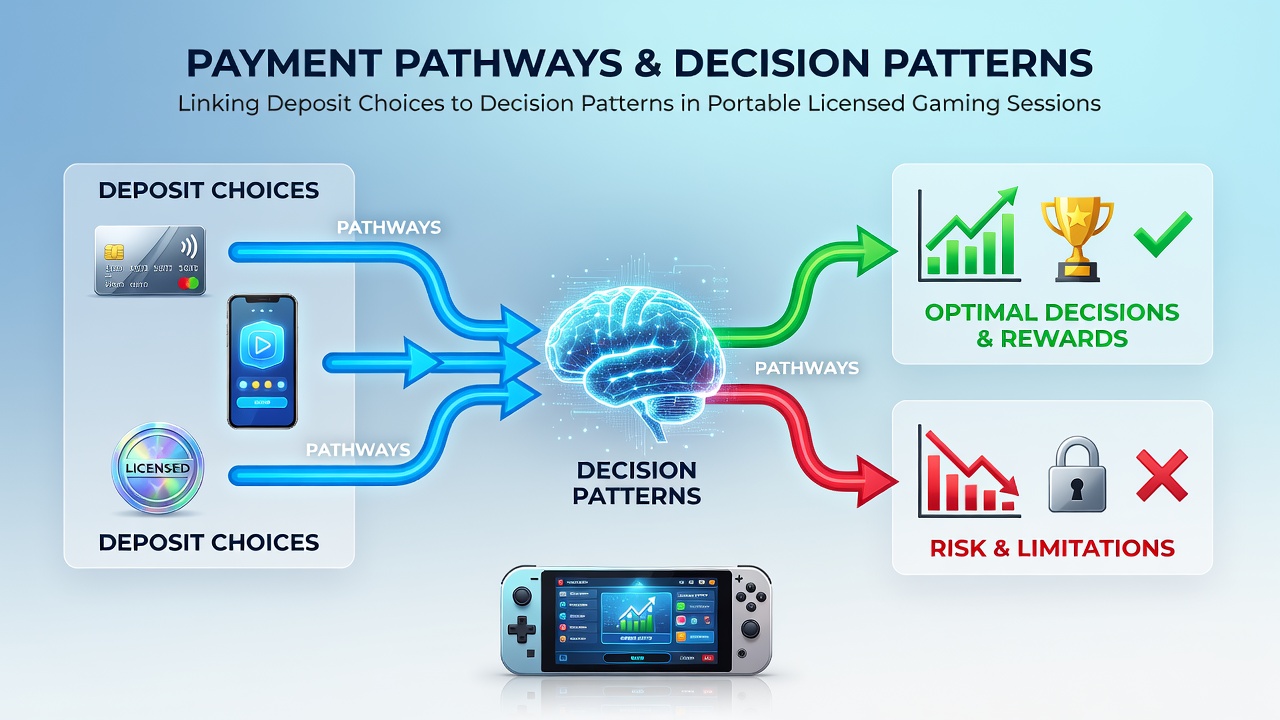
Zahlungsflüsse und Entscheidungsmuster in portablen lizenzierten Glücksspiel-Sessions
Payment pathways in licensed portable gaming connect deposit methods directly to user decision patterns through structured transaction flows and verification protocols, according to data from regulatory monitoring systems. These connections appear in session logs where choices between instant transfers, e-wallets and bank integrations shape timing and frequency of subsequent bets.
Technische Grundlagen der Zahlungswege
Portable devices route payments through encrypted channels that comply with certification standards for licensed operators, while real-time authorization checks determine which options activate during active sessions. Researchers have documented how certain deposit types trigger immediate balance updates and others require additional confirmation steps that extend the interval before play resumes.
Verbindungen zwischen Einzahlungsoptionen und Spielverhalten
Studies tracking user interactions reveal that credit-card deposits often correlate with shorter session starts whereas e-wallet transfers link to extended engagement sequences. Observers note that these patterns emerge consistently across multiple licensed platforms because the underlying settlement times influence when players receive feedback on their account status. Data sets compiled in 2025 show measurable differences in average bet sizes following each payment category.
Regulatorische Rahmenbedingungen bis Oktober 2026
By October 2026 the ongoing evaluation of licensing requirements continues to standardize payment verification across German-speaking markets, ensuring that every authorized pathway meets uniform security benchmarks. Figures released through official channels indicate that compliance rates for transaction monitoring have risen steadily since the initial implementation phases of the 2021 framework.
One analysis of session data demonstrated that players who select bank-transfer deposits tend to pause more frequently between rounds compared with those using instant options. Such pauses appear tied to the processing windows built into the payment architecture rather than to individual strategy preferences.
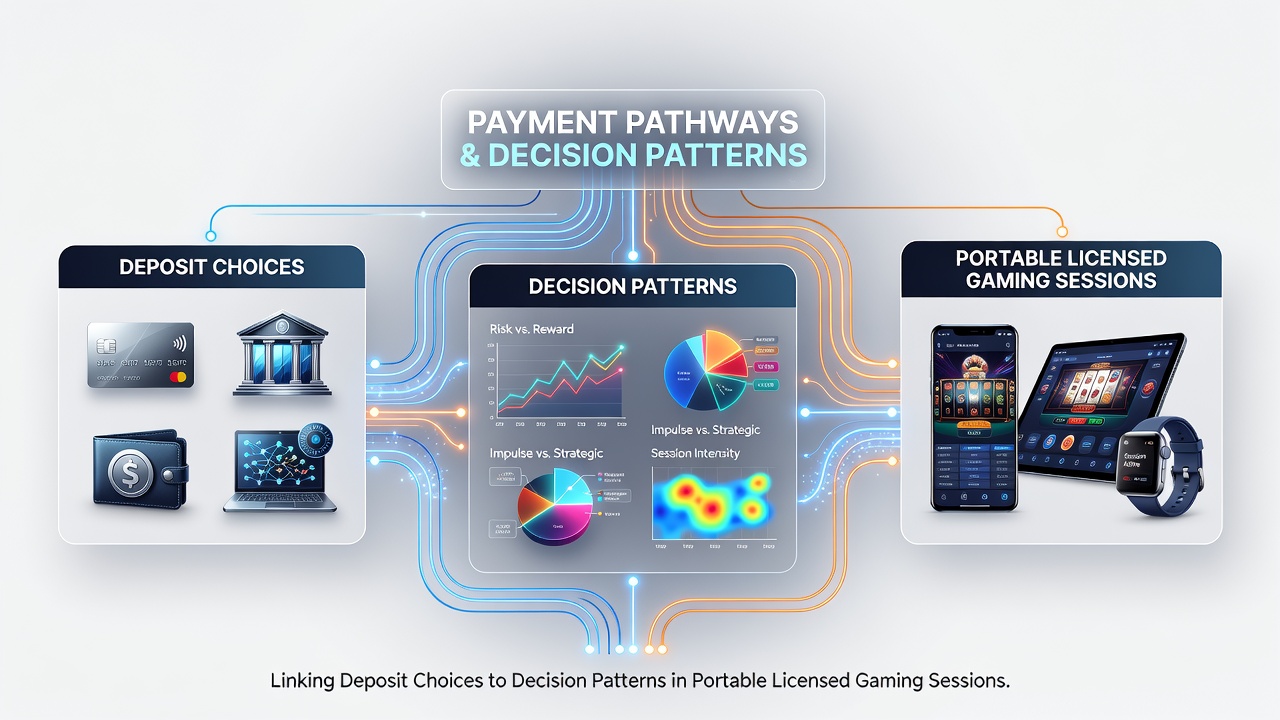
Beispiele aus der Praxis und Datenlage
Take one dataset collected by a European research consortium that examined thousands of mobile sessions over six months. The results indicated clear clustering around specific payment types and subsequent decision points such as stake adjustments or game switches. Similar patterns surfaced in reports from Australian regulatory bodies examining cross-device behavior, confirming that the phenomenon is not limited to a single jurisdiction.
Industry associations have published summaries showing that licensed operators integrate these insights into interface design, for instance by displaying estimated processing times next to each deposit button. Those who have examined the raw logs point out that the visibility of such information alters the sequence of user actions without changing overall transaction volumes.
Auswirkungen auf Lizenzierte Plattformen
Licensed environments maintain audit trails that map every deposit to later betting decisions, enabling precise reconstruction of pathways for compliance reviews. Evidence from these trails demonstrates that certain combinations of payment method and device type produce predictable intervals between deposit and first wager. Regulatory updates scheduled through late 2026 aim to refine the granularity of these records while preserving operator flexibility in offering multiple options.
What's notable is how the technical specifications of each pathway, including API response times and fraud-screening layers, feed directly into the observable decision patterns. Data indicates that reductions in processing latency correspond with higher frequencies of consecutive bets within the same session.
Schlussfolgerung
Payment pathways therefore function as structural determinants that link deposit selection to measurable decision sequences in portable licensed gaming. Continued collection of session-level metrics through October 2026 and beyond will supply additional evidence on how these connections evolve under updated licensing conditions. European Gaming and Betting Association reports and academic reviews from Canadian institutions together provide the factual basis for understanding these dynamics across regions.